




Creating the right feeding plan is very important for pet owners, both for the health and the happiness of their adorable companions. One of the most frequently asked questions here is how appropriate it is to feed dogs dry dog food all the time. Thanks to their practicality, long shelf life and balanced ingredients, dry foods are among the first choices of many dog owners. However, a one-sided diet may cause dogs to miss some of the nutrients they need, which can lead to various health problems in the long run.
Although dry food is formulated to meet basic needs, a feeding approach that varies according to the dog’s age, breed, activity level and special health conditions is necessary. Therefore, whether a diet based solely on dry food is sufficient for dogs should be evaluated carefully.
In this article, we will cover everything you want to know about dry dog food. Starting with what dry food is, we will provide comprehensive information on how much should be given to dogs, its varieties, softening methods and prices. We will also briefly mention dry dog food recommendations and, in some cases, alternatives such as soaked dry dog food. You can find the answers to your questions about healthy and balanced nutrition in this article, together with expert content and the assurance of How Meow.
What Is Dry Dog Food?
Dry dog food is a type of food specially formulated to meet dogs’ daily nutritional needs, with a low moisture content and usually offered in kibble form. It contains basic nutrients such as protein, carbohydrates, vitamins and minerals. Since it can be stored for a long time without spoiling and can be served practically, this type of food is one of the foods dog owners choose most often.
The ingredients used in producing dry food consist of meat, grains, vegetables, fats and various supplements. These ingredients are processed with special cooking and drying methods to make them suitable for dogs’ digestive systems. With its balanced formulation, dry dog food offers options specially designed for both puppies and adult dogs.
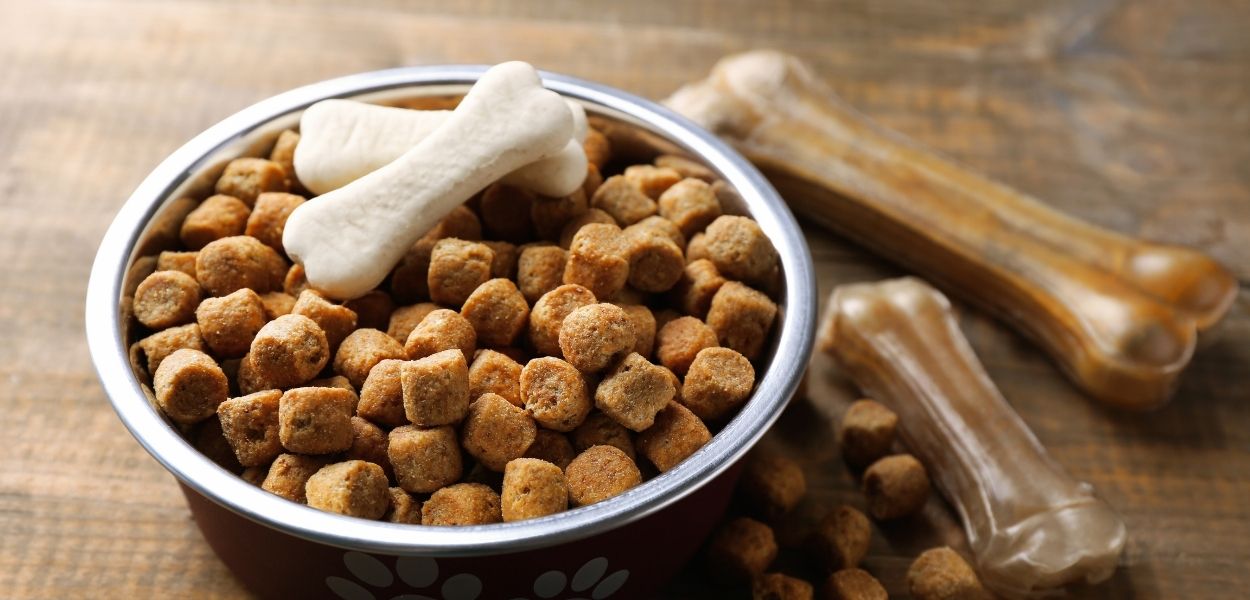
High nutritional value, a contribution to dental health and easy consumption are among the advantages of dry food. However, not every food brand and recipe has the same quality. Therefore, quality products should be preferred and dry dog food recommendations should be sought according to the dog’s specific needs. A well-chosen dry food helps your friend lead a healthy and energetic life. In addition to all this, take a look at our dog food page right now for other food varieties.
Table of Contents
How Much Dry Food Should a Dog Be Given?
How much dry dog food you should give your dog depends on its age, weight, activity level and health. Determining the right amount of food is critical for your dog to both maintain its ideal weight and meet its energy needs. The back of food packages usually shows the recommended daily portions according to the dog’s weight. However, this information may not apply exactly to every dog.
For example, a very active dog may need more food than a dog that is less active during the day. Likewise, lighter foods with special ingredients should be preferred for older dogs or dogs with health problems. A feeding plan determined under veterinary supervision is very helpful in adjusting the ideal portion.
In addition, dividing dry food into two meals, morning and evening, instead of a single meal makes digestion easier. In some cases, soaked dry dog food, lightly softened with water, can be preferred between meals. This method is especially beneficial for older dogs with dental problems. To discover wet dog food varieties, take a look at our wet dog food page right now.
What Are the Types of Dry Dog Food?
There are many types of dry dog food on the market that appeal to different needs and tastes. This variety makes it possible to choose the most suitable food according to your dog’s age, breed, size, health and activity level. The most common types are puppy foods, adult dog foods and senior dog foods. These foods are formulated with nutrients suited to the dog’s life stage.
There are also hypoallergenic foods for dogs with sensitive stomachs, light foods for weight control and energy-dense foods for active dogs with high protein needs. Breed-specific formulas are produced in different kibble sizes and recipes for small and large breeds.
In terms of ingredients, foods are divided into options such as chicken, salmon, lamb or grain-free. This way, you can choose the food that best suits your dog’s taste and digestive system. To find the right type, it is important to get dry dog food recommendations and carefully examine the food’s ingredients.
With its wide product range, How Meow supports the healthy development of your pets by offering quality dry food options for every need.

How Do You Soften Dry Dog Food?
Some dogs may have difficulty eating dry dog food. Softening dry food is a very useful method, especially for puppies, older dogs or dogs with dental problems. The simplest and most effective way to soften dry food is to add lukewarm (not boiling) water and let it stand for a few minutes. This makes the food easier to chew and can increase the dog’s appetite, as its aromas become more intense.
During softening, the food should not be completely mashed; just make sure it is soft and moist. Since food left for too long can spoil, the prepared portion should always be served fresh. Softening with natural liquids such as broth can also be preferred on your veterinarian’s advice. However, only natural liquids without additives, salt or spices should be used.
This method is ideal especially for dogs that need to eat soaked dry dog food. This technique can also help during a food transition or periods of poor appetite. In all these practices, observing your dog’s behaviour is important to increase its comfort.
What Are Dry Dog Food Prices?
Dry dog food prices vary widely depending on the brand, ingredients, package size and special formulations. On the market there are products in many different price segments, from economical options to premium and vet-recommended foods. Affordable foods usually meet basic nutritional needs, while higher-priced foods offer special ingredients, additive-free formulas and breed- or age-specific balances.
Special grain-free, hypoallergenic or high-protein foods may be more expensive than standard products. However, these products can be a healthier option for dogs prone to allergies or with sensitive stomachs. The type of meat used in the food (for example salmon or lamb) is also one of the factors affecting its price.
Even if a homemade dry dog food recipe is prepared, the cost of this kind of feeding and the difficulty of creating a balanced recipe should be taken into account. Therefore, choosing a balanced and reliable dry food is the most efficient solution in the long run for both your dog’s health and your budget.
Bringing quality ingredients together with affordable prices, How Meow supports your dog’s healthy nutrition with options for different budgets. For more information, contact us right away via our contact page.
Frequently Asked Questions (FAQ)
How many grams of dry food should I give my dog per day?
How much dry food does a 15 kg dog eat?
Is dry food healthy for dogs?
What is recommended for a dog that won’t eat dry food?